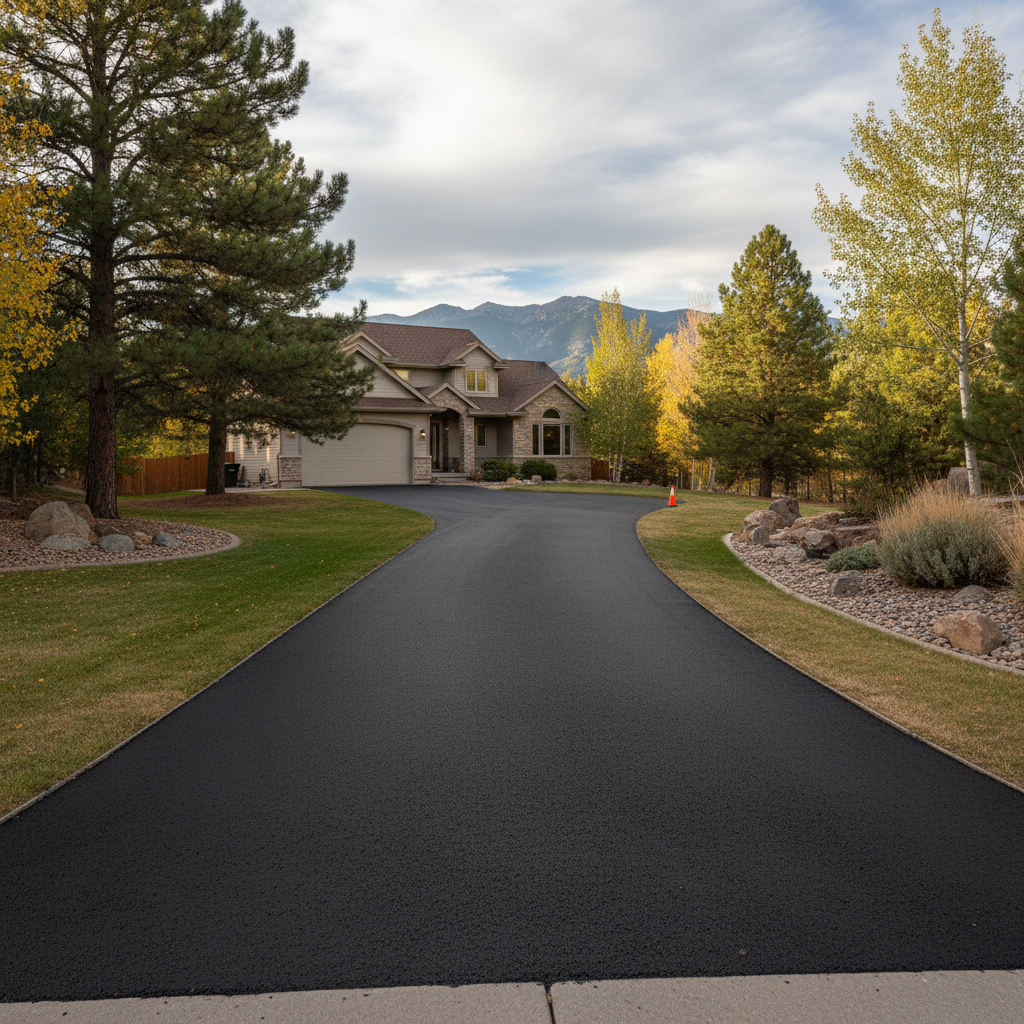
When's the Best Time to Sealcoat in Boulder?
You've got a driveway, you know sealcoating protects it, but when's the right time to get it done here in Boulder? It's a question I get a lot, and the answer isn't just about picking a sunny day. Our climate, with its intense sun, freeze-thaw cycles, and occasional hailstorms, means timing is everything for a lasting sealcoat job.
Generally, I tell folks the sweet spot for sealcoating around here is from late spring through early fall. Think May through September. You need consistent temperatures, both day and night, for the material to cure properly. What does 'consistent' mean? We're looking for daytime temps of at least 50°F and ideally, night temps that don't dip below 40°F for at least 24-48 hours after application. If it gets too cold, the sealer won't bond right, and you'll be looking at premature cracking and peeling. That's money out the window, and nobody wants that.
Trying to squeeze in a sealcoat too early in spring when we still get those surprise snow flurries, or too late in fall when the nights get frosty, is just asking for trouble. It might look okay for a bit, but it won't last. We've seen it happen too many times, especially in those shaded areas of driveways that don't get much sun, like those tucked away in the foothills near Wonderland Lake. The material just can't cure.
Weather Conditions That Affect Sealcoating
Beyond just temperature, there are a few other weather factors we keep a close eye on before we even think about bringing out the sealcoat. You might think, 'Oh, it's just a little drizzle,' but even light rain can ruin a fresh sealcoat. Here's what we watch for:
- Rain: This is a big one. You need at least 24 hours of dry weather *after* the application, and ideally, no rain in the forecast for 48 hours. If it rains too soon, it washes away the sealer, leaving you with an uneven, ineffective coat.
- Humidity: High humidity can slow down the curing process significantly. While it's not a deal-breaker like rain, it means the driveway will take longer to be ready for traffic.
- Wind: A little breeze is fine, it helps with drying. But strong winds? They can blow dust, leaves, and other debris onto your wet sealcoat, embedding it in the finish. Not to mention, it makes applying an even coat a real challenge.
- Direct Sunlight & Heat: While you need warmth, extreme heat and direct, intense summer sun can cause the sealer to dry too quickly. This might sound good, but it can lead to cracking because the top layer dries before the bottom layers have a chance to properly cure and bond. We often adjust our application times on super hot days, maybe starting earlier in the morning or later in the afternoon.
That intense Colorado sun we get, especially at our elevation, is no joke. It's great for drying clothes, but it can be tough on asphalt. It accelerates oxidation, making your driveway brittle and faded faster. Sealcoating acts like sunscreen for your pavement, protecting it from those UV rays.
Protecting Your Investment Year-Round
So, you've got your driveway sealcoated at the right time, under the right conditions. Now what? Protecting that investment is an ongoing thing, not just a one-and-done deal. Here are a few tips:
- Give it Time to Cure: I can't stress this enough. Stay off your newly sealed driveway for at least 24-48 hours, maybe even longer if it's cooler or more humid. This means no cars, no bikes, no kids playing. Walking on it too soon can leave scuff marks, and driving on it will lift the sealer right off.
- Keep it Clean: Regularly sweep or blow off debris like leaves, dirt, and gravel. These can hold moisture against the asphalt, leading to degradation, or they can scratch the surface.
- Address Spills Immediately: Oil, gas, and other automotive fluids are asphalt's worst enemy. They break down the binder in the asphalt and sealer. If you have a spill, clean it up as quickly as possible with an absorbent material.
- Watch for Cracks: Even with sealcoating, cracks can develop over time. Small cracks can turn into big potholes if left unaddressed. If you see new cracks, get them filled promptly. Crack filling is a different service than sealcoating, but it's crucial for preventing water from getting under your pavement and causing major damage, especially with our freeze-thaw cycles.
- Don't Over-Sealcoat: Some folks think more is better, but sealcoating too frequently can actually cause issues. A good quality sealcoat typically lasts 2-3 years. Applying it every year can lead to a thick, brittle layer that cracks and peels. Stick to the recommended schedule.
Look, your driveway is a big part of your home's curb appeal and functionality. Taking care of it with proper sealcoating and ongoing maintenance isn't just about making it look good; it's about extending its life and avoiding costly repairs down the road. If you're in Boulder and thinking about your asphalt, give us a call at Boulder Asphalt Pros. We're happy to talk through your specific situation and get you on the right track.