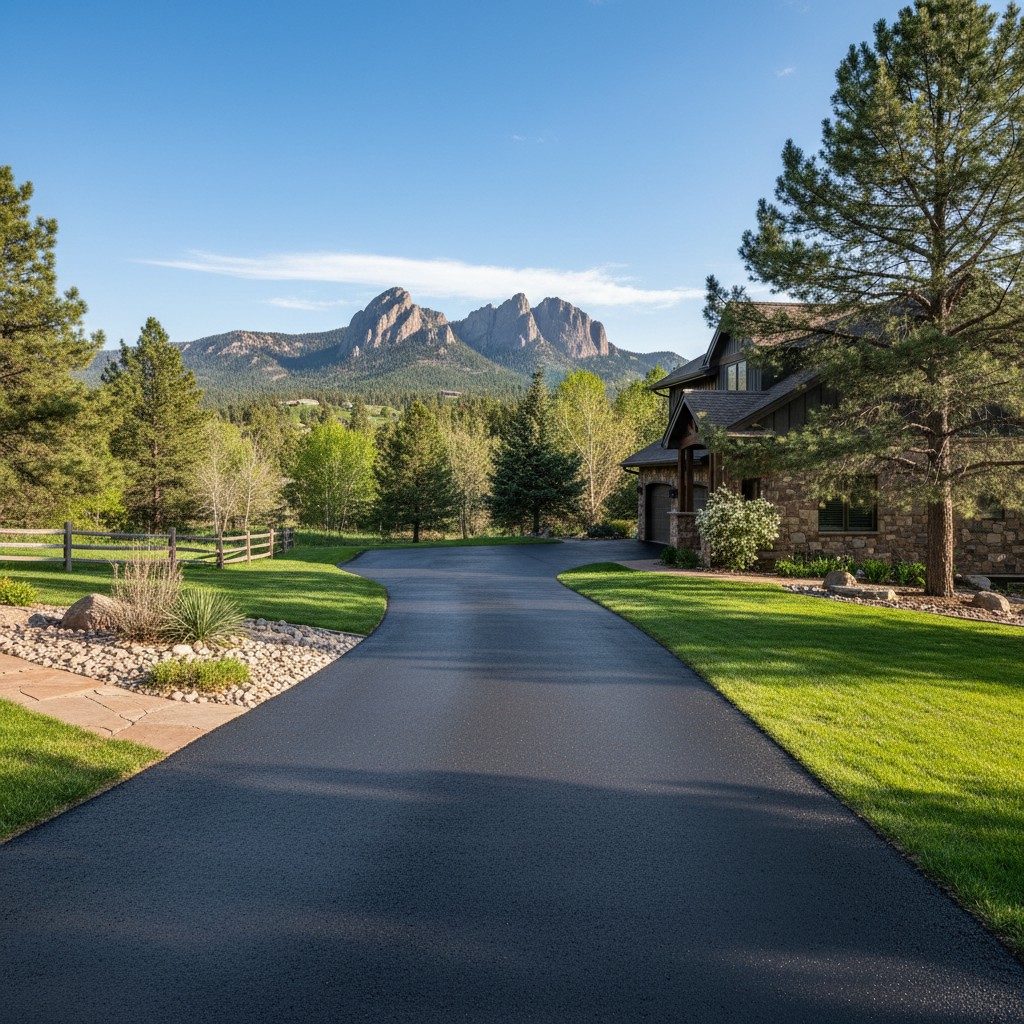
Alright, let's talk sealcoating. It's one of those things that seems simple enough on the surface, right? Slap some black stuff down, and your driveway looks good as new. But I've seen more than my fair share of messed-up jobs and frustrated homeowners here in Boulder, and usually, it comes down to a few common blunders. You're trying to protect your investment, not throw money away, so let's get you squared away.
Mistake #1: Thinking All Sealants Are Created Equal
This is a big one. You'll see ads for sealants everywhere, from the big box stores to the guy with a pickup truck and a sprayer. But there's a huge difference between a cheap, water-based acrylic product and a high-quality, commercial-grade coal tar or asphalt emulsion sealer. The cheap stuff might look good for a month or two, but it's not going to stand up to our harsh Colorado sun, the freeze-thaw cycles we get, or even just regular traffic. It'll crack, peel, and fade, leaving you right back where you started, sometimes even worse off because now you've got a flaky mess to deal with.
A good sealer does more than just make your driveway black. It penetrates the asphalt, protecting it from UV rays, water penetration, and oil spills. It adds flexibility and extends the life of your pavement. When you're getting quotes, ask what kind of sealer they're using. If they can't tell you or it sounds like something you'd buy at Home Depot, walk away. You want something that's designed for professional application and built to last.
Mistake #2: Ignoring the Prep Work (Or Letting Your Contractor Do It)
This might be the most critical step, and it's where a lot of corners get cut. Think of it like painting a wall – if you don't clean and prime it properly, the paint won't stick. Same goes for sealcoating. Your driveway needs to be spotless. That means sweeping, blowing, and often pressure washing to remove all dirt, debris, oil, and loose aggregate. Any weeds growing through cracks? They need to be killed and removed.
Then there's crack filling. If you've got cracks wider than, say, a quarter-inch, they need to be filled with a hot-pour crack filler before sealing. Just sealing over them won't do anything to stop water from getting underneath and causing more damage. I've seen driveways in places like the Newlands neighborhood, where older asphalt has seen a lot of wear, and skipping crack repair is just asking for trouble. If a contractor just shows up and starts spraying without spending significant time on cleaning and crack repair, that's a massive red flag. You'll regret it.
Mistake #3: Not Understanding the Weather and Curing Process
Boulder weather can be fickle, especially in the spring and fall. Sealcoating isn't something you can do on a whim. The temperature needs to be consistently above 50 degrees Fahrenheit, and it needs to stay that way for at least 24-48 hours after application. You also can't have rain in the forecast. If it rains too soon, the sealer will wash away or cure improperly, leaving you with a streaky, weak finish.
And once it's applied, you need to stay off it. I tell folks to plan for at least 24-48 hours before walking on it and 48-72 hours, or even longer for heavy vehicles, before driving on it. The sealer needs time to cure and harden. If you drive on it too soon, you'll leave tire marks, scuffs, and potentially damage the fresh coating. A good contractor will explain all this to you and schedule the work around appropriate weather conditions. If they're pushing to get it done despite iffy forecasts, that's a sign they might be more interested in their schedule than your driveway's longevity.
Mistake #4: Going for the Absolute Cheapest Bid
Look, I get it. Everyone wants to save a buck. But when it comes to asphalt work, the cheapest bid is almost always the most expensive in the long run. There's a reason some contractors are significantly cheaper: they're cutting corners. They're using inferior materials, skipping vital prep steps, or they're just not experienced enough to do the job right.
When you're comparing quotes, don't just look at the bottom line. Ask for details on the materials they'll use, their prep process, and how long they expect the job to take. Ask for references. Check their reviews online. A reputable company like Boulder Asphalt Pros might not be the absolute cheapest, but we're going to give you a quality job that lasts, saving you money and headaches down the road. Investing a little more upfront for a professional job means you won't have to redo it in a year or two.
Mistake #5: Not Asking Enough Questions
This ties into all the other points. You're the homeowner, and it's your property. Don't be afraid to ask questions. A good contractor will be happy to explain their process, the materials they use, and why they do things a certain way. If they get defensive, vague, or seem annoyed by your questions, that's a huge warning sign.
Ask about their experience, their insurance, and their warranty. What happens if it rains unexpectedly? What kind of maintenance do they recommend after the sealcoating? The more informed you are, the better decisions you'll make, and the happier you'll be with the final result. Don't let anyone rush you into a decision or make you feel like you're bothering them. It's your money, and you deserve to know exactly what you're paying for.
By avoiding these common mistakes, you'll ensure your sealcoating project protects your asphalt and looks great for years to come. Do your homework, ask the right questions, and choose a contractor who prioritizes quality over speed or price, and you'll be glad you did.