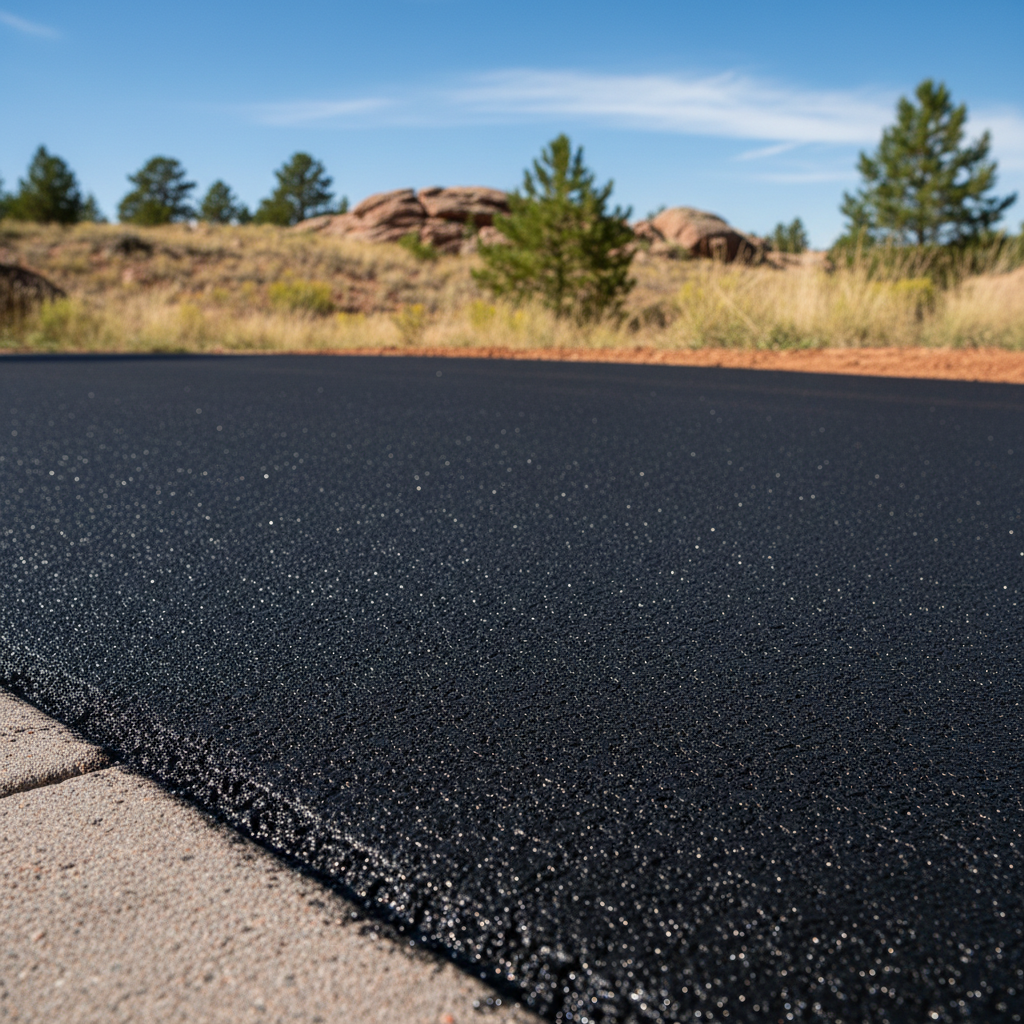
Why Bother with Sealcoating Anyway?
Let's cut right to it. You've got an asphalt driveway, maybe it's looking a little faded, or you're seeing some tiny cracks pop up. You've heard about sealcoating, but is it really worth the hassle? Absolutely, it is. Think of sealcoating like sunscreen for your driveway. It protects the asphalt from the sun's UV rays, which, believe me, are no joke up here in Boulder, especially with our higher altitude. It also keeps water from seeping into those small cracks and turning into big problems when it freezes and expands in the winter. Plus, it just makes your driveway look a whole lot better, giving it that fresh, dark black finish again. It's a preventative measure that saves you money on bigger repairs down the line.
Before You Even Think About Sealcoat
Okay, so you're convinced. Now, what do you need to do before you even buy a bucket of sealcoat? This is where a lot of folks mess up. First, you need to clean that driveway thoroughly. I mean really clean it. Get rid of all the dirt, leaves, and debris. A good power wash is usually the way to go, but make sure you let it dry completely. And I mean completely – we're talking 24-48 hours, depending on the weather. If you try to sealcoat over a wet surface, it won't stick, and you'll have wasted your time and money. Next, you've got to tackle any existing damage. Small cracks (think hairline up to about a quarter-inch wide) can be filled with an asphalt crack filler. Potholes or larger cracks? That's a different story. Sealcoat isn't a repair material; it's a protective layer. If you've got significant damage, you need to fix that first. Sometimes, especially with the expansive clay soils we have around here in areas like South Boulder, you might see more movement and cracking, so proper repair before sealing is crucial.
DIY or Call a Pro? That's the Question
This is where you need to be honest with yourself. Can you really do a good job sealcoating your driveway? For a small, perfectly flat, relatively new driveway with minimal cracks, sure, it's a doable DIY project. You'll need to buy the right type of sealcoat (acrylic-modified is generally better for homeowners), some brushes, squeegees, and safety gear. It's a lot of physical work, and you need to be careful with application to avoid streaks or uneven coverage. You'll also need to block off your driveway for at least 24-48 hours, sometimes longer depending on humidity and temperature. If your driveway is large, has a steep slope, or has a lot of existing damage that needs repair, I'd strongly recommend calling in a professional. We've got the specialized equipment, the right materials, and the experience to get it done efficiently and effectively. Plus, we can handle the prep work, which is often the most labor-intensive part. For larger jobs, trying to DIY can often lead to a less-than-stellar finish or even damage that costs more to fix later. Boulder Asphalt Pros has been doing this for years, and we've seen it all.
During the Application: What to Expect
Whether you're doing it yourself or watching the pros, here's the gist. The sealcoat needs to be applied in thin, even coats. Usually, two coats are best, with adequate drying time (often 4-8 hours) between them. The temperature needs to be right – typically above 50°F and not expected to drop below that overnight. You also want to avoid direct sunlight during the hottest part of the day, as it can cause the sealcoat to dry too quickly and not bond properly. No rain in the forecast for at least 24-48 hours after application, either. It's all about creating the right conditions for the material to cure properly. If you're doing it yourself, work in small sections, keeping a wet edge to avoid lap marks. It's a bit like painting a large floor, but with a thicker, grittier material.
After the Sealcoat: Maintaining Your Investment
Once the sealcoat is down and dry, the hard part's over. But your work isn't quite done. You need to let it cure completely before driving on it. I usually tell folks to wait at least 24-48 hours, but sometimes 72 hours is even better, especially if it's cooler or more humid. Driving on it too soon can leave tire marks or even pull up the fresh sealcoat. After that, just keep it clean. Sweep off debris regularly, and if you spill oil or gas, clean it up quickly. Sealcoating isn't a permanent fix; it's something you'll want to do every 2-3 years to keep your driveway looking good and protected. It's a small investment in time or money that pays off big in the long run by extending the life of your asphalt. Take care of your driveway, and it'll take care of you.